
Source review: 7 October 2026 · Global. Official references are linked under Sources. Service and event information is a dated snapshot; check the notice for subsequent changes.
AION 2 Global currently has eight classes: Gladiator, Templar, Assassin, Ranger, Sorcerer, Spiritmaster, Cleric, and Chanter. The best choice depends on the job and combat style you want, not a universal tier ranking. Start with Templar for a forgiving frontline role, Ranger for straightforward ranged combat, or Cleric for survivability and a dedicated group role. Choose Assassin for stealth and burst, Gladiator for durable melee combos, Sorcerer for ranged area damage, Spiritmaster for summons and control, or Chanter for hybrid support.
The important limitation is regional. The official Global class showcase lists eight classes; this site focuses on early progression around level 45. Korean and Taiwanese material may include later balance changes, a level-50 cap, and the ninth class, Brawler. Those later-region rankings should not be treated as a current Global tier list.
Once you choose a role, open Gladiator build, Templar build, Assassin build, Ranger build, Sorcerer build, Spiritmaster build, Cleric build, Chanter build. For an opinion-based role comparison, use the class tier list.
AION 2 Global class roster

The complete eight-class Global launch roster.
All eight Global classes are available to both Elyos and Asmodian characters. Your faction therefore does not need to determine your class. Classes are also available without a gender restriction.
| Class | Main role | Weapon | Core playstyle | Main tradeoff |
|---|---|---|---|---|
| Templar | Dedicated tank | Longsword and shield | Holds the frontline, controls enemy attention, and protects the party | Safer than most classes, but slower when damage is the only goal |
| Gladiator | Melee damage and off-tank | Greatsword | Uses durable close-range combos, area attacks, and self-sustaining tools | Easy to enter, but good combo order and positioning still matter |
| Assassin | Burst melee damage | Dual daggers | Uses stealth, mobility, and attacks from advantageous positions | High commitment and less forgiving when timing or positioning fails |
| Ranger | Physical ranged damage | Bow | Kites enemies, uses traps, and attacks safely from range | Vulnerable when enemies close the distance |
| Sorcerer | Magical ranged damage | Spellbook | Combines elemental area damage with slows, roots, and other control | Strong output comes with low durability and positional demands |
| Spiritmaster | Summoner and ranged damage | Orb | Rotates elemental spirits while applying damage and control effects | Requires attention to both the character and the active summon |
| Cleric | Dedicated healer | Mace | Heals, protects, and contributes damage between recovery actions | Mechanically approachable at first, but group healing carries responsibility |
| Chanter | Hybrid support | Staff | Fights in melee while supplying buffs and secondary healing | Flexible rather than being the strongest specialist in one isolated job |
This table describes stable class identities rather than a damage ranking. Builds, gear, encounter length, player execution, and balance updates can change performance without changing the basic reason to choose a class.
Choose by preferred combat role
| Your priority | Classes to consider | Selection logic |
|---|---|---|
| A forgiving first character | Templar, Ranger, Cleric | Each offers either strong defenses, safer range, or self-healing |
| Durable solo progression | Templar, Gladiator, Cleric | These choices can recover from mistakes and remain active in prolonged fights |
| A summon-focused solo style | Spiritmaster | Spirits add damage, utility, and different tactical options |
| A clear tank role in groups | Templar | This is the dedicated main-tank choice |
| Healing as your main responsibility | Cleric | Cleric is the dedicated healer rather than a damage class with incidental recovery |
| Buffing allies while still attacking | Chanter | Chanter mixes melee pressure, party buffs, and additional healing |
| Straightforward ranged combat | Ranger | The bow, mobility, and traps support a readable keep-away plan |
| Ranged area damage and control | Sorcerer | Fire and ice tools emphasize large attacks and battlefield control |
| Stealth, burst, and duels | Assassin | The class rewards timing, mobility, and attacking from a favorable position |
| Durable melee damage | Gladiator | Greatsword combos provide a more resilient alternative to Assassin |
Do not choose solely from the labels tank, damage, or support. AION 2 expects every class to participate actively in combat. Templar and Cleric still attack, while Gladiator and Chanter contribute utility beyond raw damage. The real decision is how much responsibility, positional pressure, and multitasking you want during that activity.
Melee and frontline classes
Templar
Choose Templar if you want to lead from the front and make dangerous encounters more controlled. Its longsword-and-shield identity is built around holding enemy attention, absorbing pressure, and protecting allies. That defensive margin makes it one of the safer first characters and a natural fit for players who enjoy learning boss positioning.
The tradeoff is pace. A dedicated tank will not always remove ordinary enemies as quickly as a damage-focused class. Group play also adds responsibility: keeping a boss stable and facing it safely affects everyone else. Templar is therefore beginner-friendly in survival terms, but tanking well still requires encounter awareness.
Gladiator
Gladiator is the durable melee alternative for players who want a greatsword rather than a shield. It combines close-range damage, attacks that can hit several enemies, combo interactions, and enough resilience to function as an off-tank when required. Compared with Assassin, it is more forgiving when a fight lasts longer or an enemy hits back.
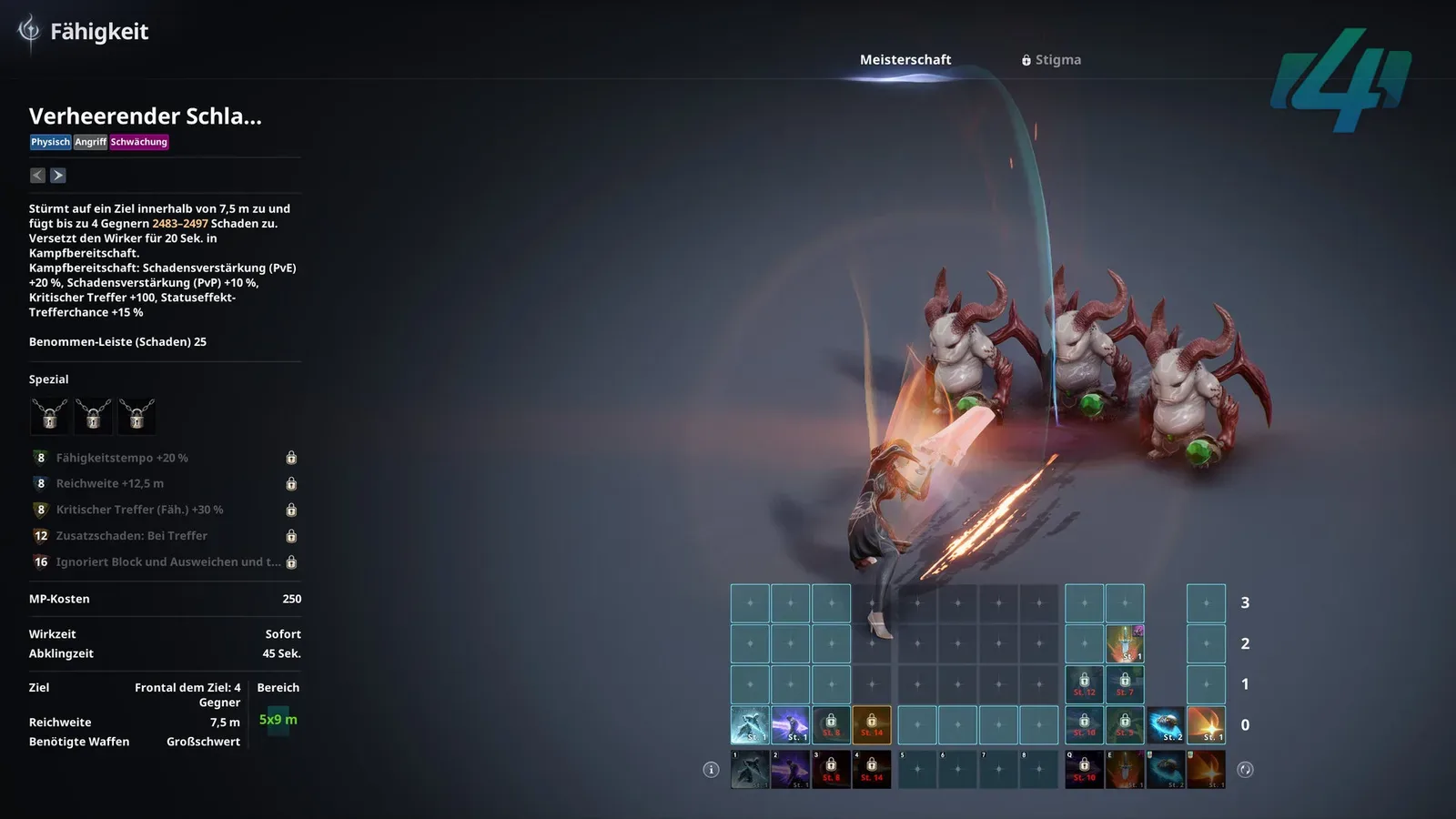
Its basic plan is accessible, but that does not make it passive. Several attacks gain value when used in the right sequence or against an enemy already affected by control. Pick Gladiator if you want to stay in the center of a fight, connect heavy attacks, and retain more safety than a burst-oriented melee class.
Assassin
Assassin is for players who want stealth, fast movement, and concentrated single-target pressure. Dual daggers and attacks from advantageous positions create a high-commitment style: good timing can produce a decisive burst, while a missed opening can leave the class exposed.
This is a less forgiving first choice than Templar or Ranger. Solo fights may make ideal positioning harder, and low durability gives you less time to recover from an error. Choose Assassin because you enjoy execution, repositioning, and duels—not because a temporary ranking places it above another class.
Ranged and magic classes
Ranger
Ranger is the clearest starting point for a player who wants physical ranged combat. The bow keeps normal combat readable: attack from distance, use mobility to preserve that distance, and employ traps or control when an enemy advances. This makes Ranger easier to understand during early progression than classes that juggle summons or several support duties.
Range is not the same as permanent safety. Ranger has less room for error once an opponent reaches melee distance, so movement remains part of the class rather than an optional extra. It fits players who prefer kiting and consistent pressure over spellcasting or stealth.
Sorcerer
Sorcerer is the elemental caster built around ranged damage, area attacks, and crowd control. Fire-oriented tools supply direct damage and burning effects, while ice-oriented tools help slow, root, or freeze enemies. That combination is useful when you enjoy shaping a fight before delivering a large spell.
The cost is fragility. Sorcerer depends on positioning and control to avoid sustained pressure, and effective play asks you to manage important cooldowns instead of relying on one uninterrupted sequence. Choose it for the glass-cannon fantasy and large-area magic, not for a low-risk leveling experience.
Spiritmaster
Spiritmaster uses an orb and elemental spirits. Different spirits provide different forms of damage, recovery, or enemy control, so choosing and managing the active summon is part of its combat style. The class also uses curses, damage-over-time effects, and fear-style control.
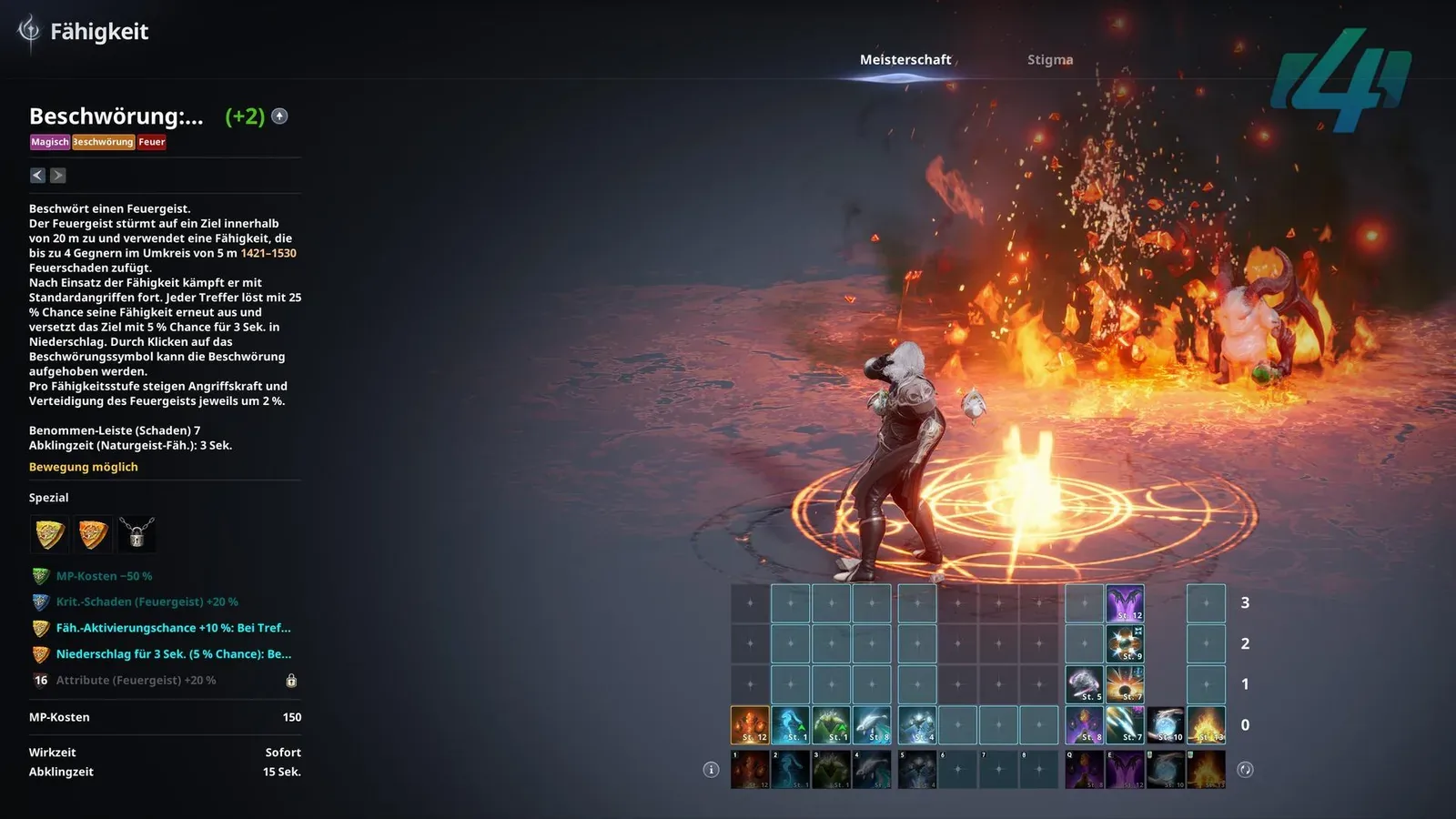
That toolkit makes Spiritmaster attractive for solo players who enjoy utility, but it adds mental load. You must watch your own actions, the spirit, and which summon suits the current situation. It is a better fit for someone who enjoys managing a system than for someone seeking the most direct ranged rotation.
Support and healer classes
Cleric
Cleric is the dedicated healer. It can restore individual allies and the wider group, provide protection, and continue attacking between healing actions. Self-healing also makes it durable outside a party, so choosing the healer does not mean giving up the ability to progress through supported solo content.
The difficulty changes with context. Early solo play can be forgiving, but group content requires awareness of multiple health bars, incoming damage, positioning, and recovery timing. Choose Cleric if keeping a party alive sounds satisfying. Do not select it only because healers are useful and then expect to play as a pure damage dealer in organized groups.
Chanter
Chanter is the flexible support hybrid. It fights with a staff, supplies party buffs through Mantras, contributes secondary healing, and remains involved in melee combat. This makes it a strong thematic choice for players who dislike standing back and doing nothing but watching health bars.
Flexibility is also the tradeoff. Chanter is not the same as the dedicated healing provided by Cleric, nor is it simply another full damage specialist. Its value comes from improving the group while maintaining its own attacks. Choose it when you enjoy switching attention between pressure, buffs, and emergency support.
Solo, group, and PvP considerations
A class can be viable in more than one activity without being equally comfortable in every one. Use these differences to narrow the roster rather than searching for one class that supposedly wins everywhere.
- For relaxed solo play, Templar and Gladiator offer durability, Cleric can recover its own health, and Spiritmaster gains utility from its summons. Ranger is also approachable if you consistently maintain distance.
- For organized group roles, Templar and Cleric give you the clearest tank and healer identities. Chanter is the support hybrid, while the remaining classes primarily compete for damage positions.
- For close-range PvP pressure, Assassin emphasizes stealth and burst, Gladiator offers durable aggression, and Templar controls the frontline.
- For ranged PvP, Ranger relies on spacing, Sorcerer combines damage with control, and Spiritmaster brings summons and disruptive effects.
- For large-party support, Cleric prioritizes recovery while Chanter improves allies through buffs and supplementary healing.
These are playstyle distinctions, not a Global tier list. Rankings for the same class can conflict when they mix solo play, boss damage, PvP, different regions, and different patches. A label that is useful for one activity can be misleading in another.
Keep class comparisons within the Global version
Global launched with an adjusted Season 1 rather than simply copying the current Korean or Taiwanese version. The later regional version contains balance changes and content that are not part of the current Global baseline. It also includes Brawler, while Global currently has only the eight classes covered here.
Beginner comfort, solo efficiency, short-fight burst, sustained boss damage, party demand, and PvP strength are separate questions. Combining them into one S-to-D list would hide the decision you actually need to make.
A safer selection rule is:
- Pick the role you are willing to perform repeatedly.
- Decide whether you prefer melee, physical range, magic, or summons.
- Choose how much positional pressure or multitasking you enjoy.
- Treat balance rankings from Korea or Taiwan as historical context, not Global proof.
- Recheck current Global balance information before changing a long-term build around a numerical claim.
A current free class-change option for Global remains unconfirmed. Before committing, check whether changing class requires another character. This makes combat feel and role preference more important than chasing a temporary damage lead.
A short class decision path
Use this path if several classes still look appealing:
- Choose Templar if your first answer is that you want to tank, protect allies, or survive mistakes.
- Choose Cleric if you want healing to be your main group responsibility.
- Choose Chanter if you want to support allies but still spend much of the fight attacking in melee.
- Choose Gladiator if you want durable melee damage without making stealth and back-positioning your identity.
- Choose Assassin if precise burst, stealth, and high-risk melee execution sound exciting.
- Choose Ranger if you want the most direct physical ranged option and enjoy maintaining distance.
- Choose Sorcerer if large elemental attacks and crowd control matter more than durability.
- Choose Spiritmaster if pets, damage-over-time effects, and summon management are the main attraction.
Before committing, compare the two closest options by their failure state. Ask what happens when a fight goes wrong: Templar absorbs pressure, Gladiator continues through it, Assassin must reposition, Ranger must restore distance, Sorcerer must control the threat, Spiritmaster must manage its summon and positioning, Cleric heals through damage, and Chanter balances recovery with continued support. The failure state you find least frustrating is often a better guide than a temporary tier label.
Sources and verification
- Official AION 2 class showcase — Official: the eight class identities; no measured class ranking.
- AION 2 Global launch FAQ — Official: platforms, shared servers and account boundaries.